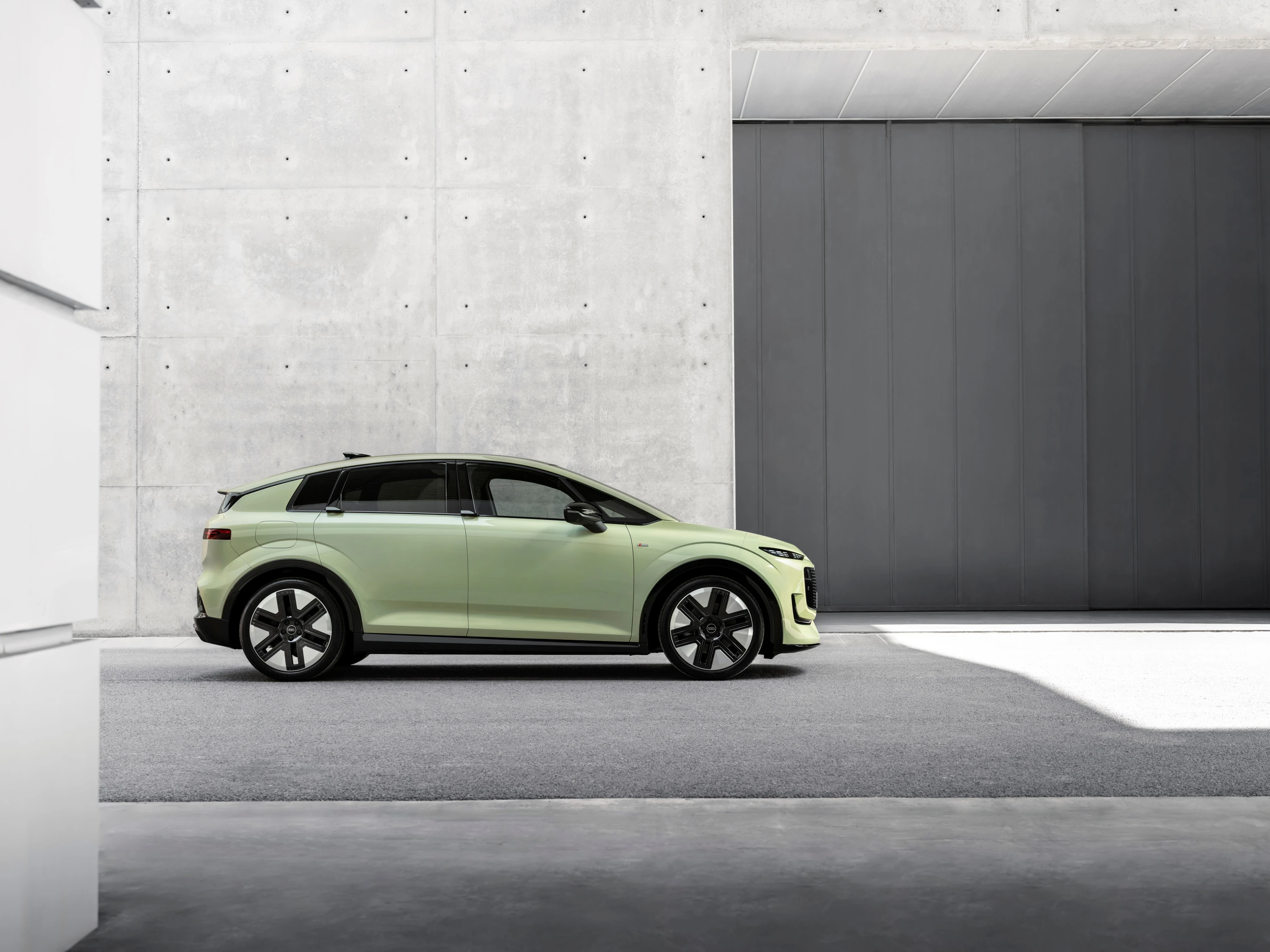
Audi A2 e-tron
Variants
Four rear-wheel-drive versions of the Audi A2 e-tron with 125, 140, 170 and 240 kW, three battery sizes and German prices from €38,200.
Open guide →
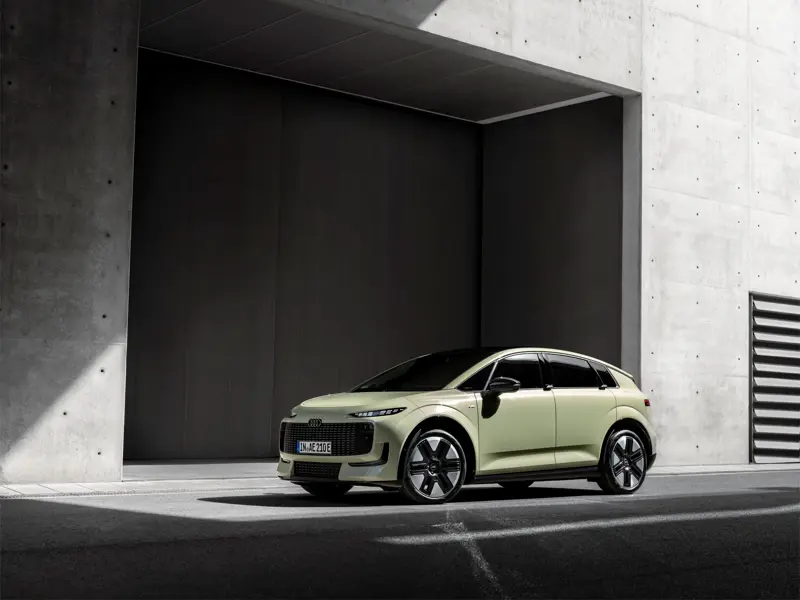
The Audi A2 e-tron launched on September 7, 2026. A compact rear-wheel-drive hatchback built in Ingolstadt with up to 646 km WLTP range, a 0.24 drag coefficient and prices from €38,200.
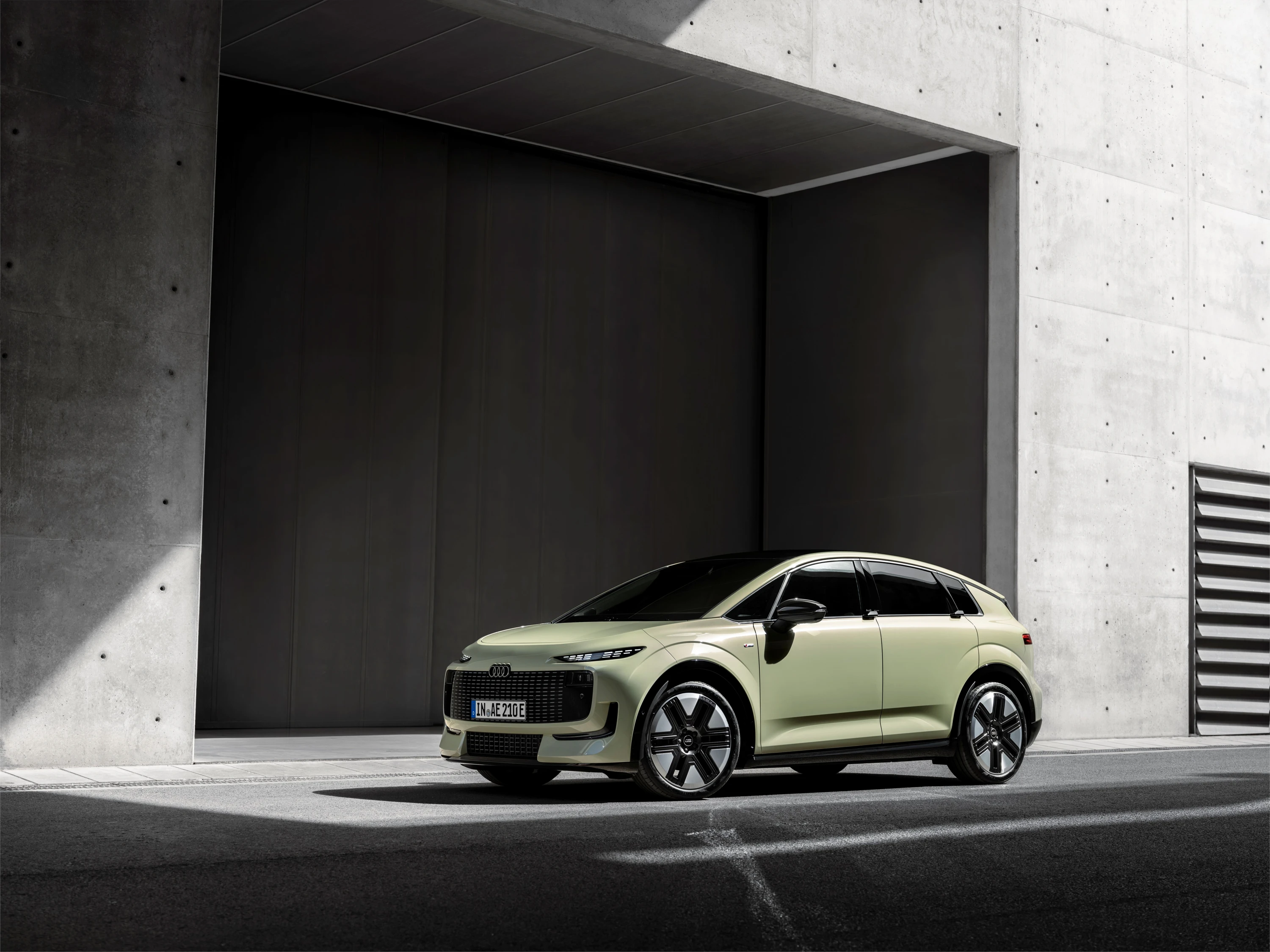
The Audi A2 e-tron had its world premiere in Paris on September 7, 2026, presented by Audi CEO Gernot Döllner as the brand’s new electric entry point. It revives a nameplate that stood for efficient packaging and low consumption 26 years ago, and applies the same idea to a modern battery-electric compact car.
Audi A2 e-tron
Orders open on September 10, 2026, with German prices starting at €38,200 and Norwegian prices from NOK 359,900. The first cars reach customers in December 2026. Production runs at Audi’s main plant in Ingolstadt, Germany, on roughly 110,000 square meters of converted floor space that reuses more than 1,200 existing installations and around 250 repurposed robots.
Audi built the A2 e-tron around a single leading principle: efficiency. Döllner framed it as a deliberate break with the notion that premium simply means more power, more size and more resources. The result is the most efficient Audi ever built — a headline figure of 12.8 kWh/100 km including charging losses for the 140 kW version with the efficiency package — and a drag coefficient of 0.24, the best value in Audi’s compact segment and a match for the e-tron GT.
That efficiency is what makes the range figures possible. The 170 kW version with the 84 kWh battery covers up to 646 km WLTP, a number normally reserved for much larger and far more expensive electric cars.
| 125 kW | 140 kW | 170 kW | 240 kW | |
|---|---|---|---|---|
| Power | 125 kW (170 hp) | 140 kW (190 hp) | 170 kW (231 hp) | 240 kW (326 hp) |
| Torque | 350 Nm | 350 Nm | 350 Nm | 545 Nm |
| Drive unit | APP350 | APP350 | APP350 | APP550 |
| Battery gross / net | 52 / 50 kWh | 61 / 58 kWh | 84 / 79 kWh | 84 / 79 kWh |
| Chemistry | LFP | LFP | NMC | NMC |
| WLTP range | up to 423 km | up to 515 km | up to 646 km | up to 630 km |
| WLTP consumption | 11.8 kWh/100 km | 11.3 kWh/100 km | 12.2 kWh/100 km | 12.5 kWh/100 km |
| Max DC charging | 100 kW | 105 kW | 183 kW | 183 kW |
| DC 10–80% | 24 min | 26 min | 29 min | 29 min |
| 0–100 km/h | 8.8 s | 7.9 s | 7.0 s | 5.7 s |
| Top speed | 160 km/h | 160 km/h | 160 km/h | 200 km/h |
| Curb weight | 1,915 kg | 1,915 kg | 1,985 kg | 2,005 kg |
| Germany from | €38,200 | €41,900 | €48,900 | €51,200 |
Every version is rear-wheel drive, and all are rated Energy Efficiency Class A.
→ Full variant details, pricing and equipment
| Measurement | Value |
|---|---|
| Length | 4,324 mm |
| Width excluding mirrors | 1,789 mm |
| Width including mirrors | 2,039 mm |
| Height | 1,583 mm |
| Wheelbase | 2,770 mm |
| Drag coefficient | 0.24 |
| Turning circle | 11.0 m |
| Luggage capacity | 396 l / 1,336 l with rear seats folded |
| Frunk | 13 l (170 kW and 240 kW) |
| Towing, braked / unbraked | 1,600 kg / 750 kg |
A long wheelbase inside a 4.3-meter body is what makes the cabin feel a class larger than the footprint suggests — the same trick the original A2 pulled in 1999.
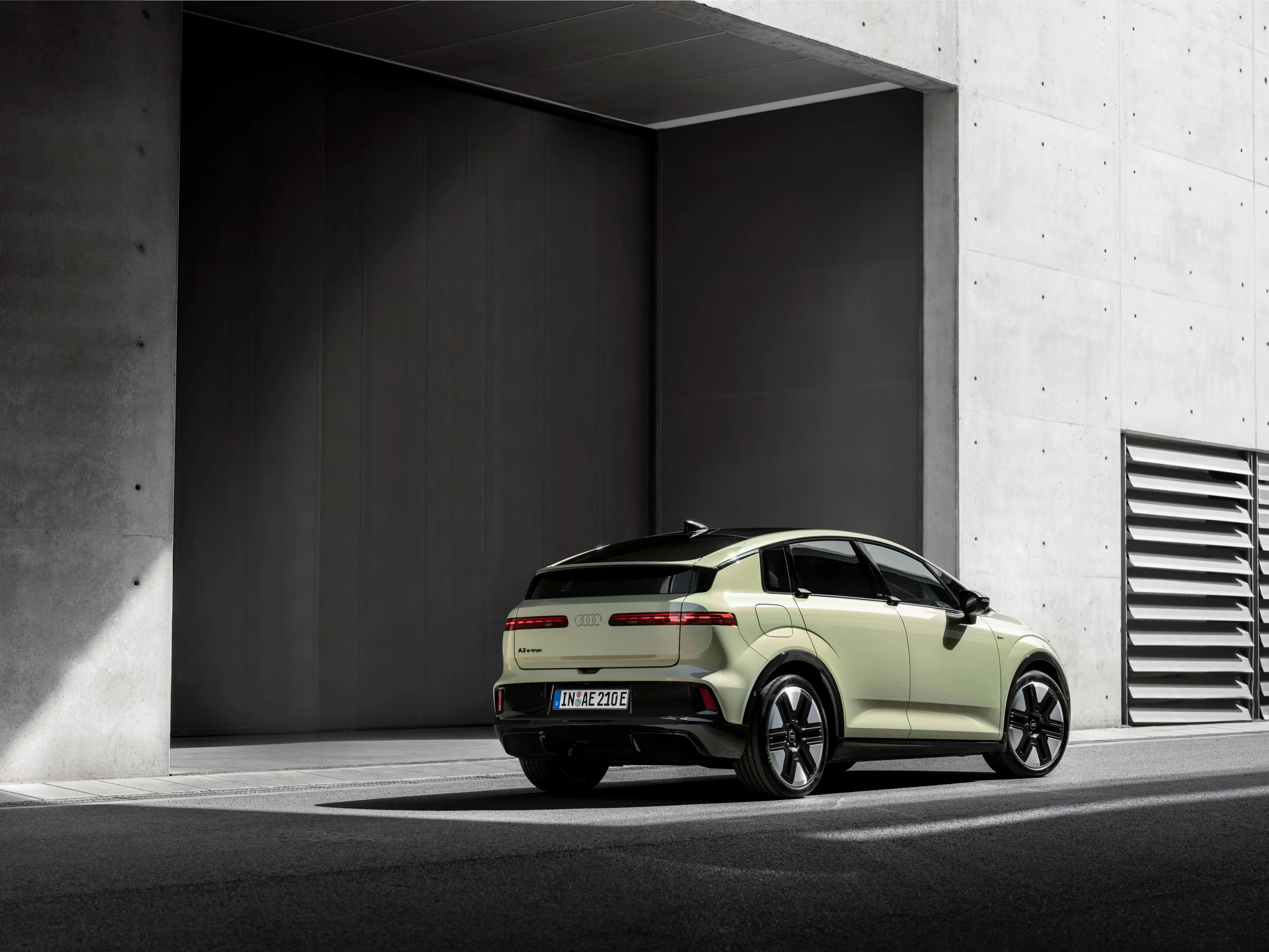
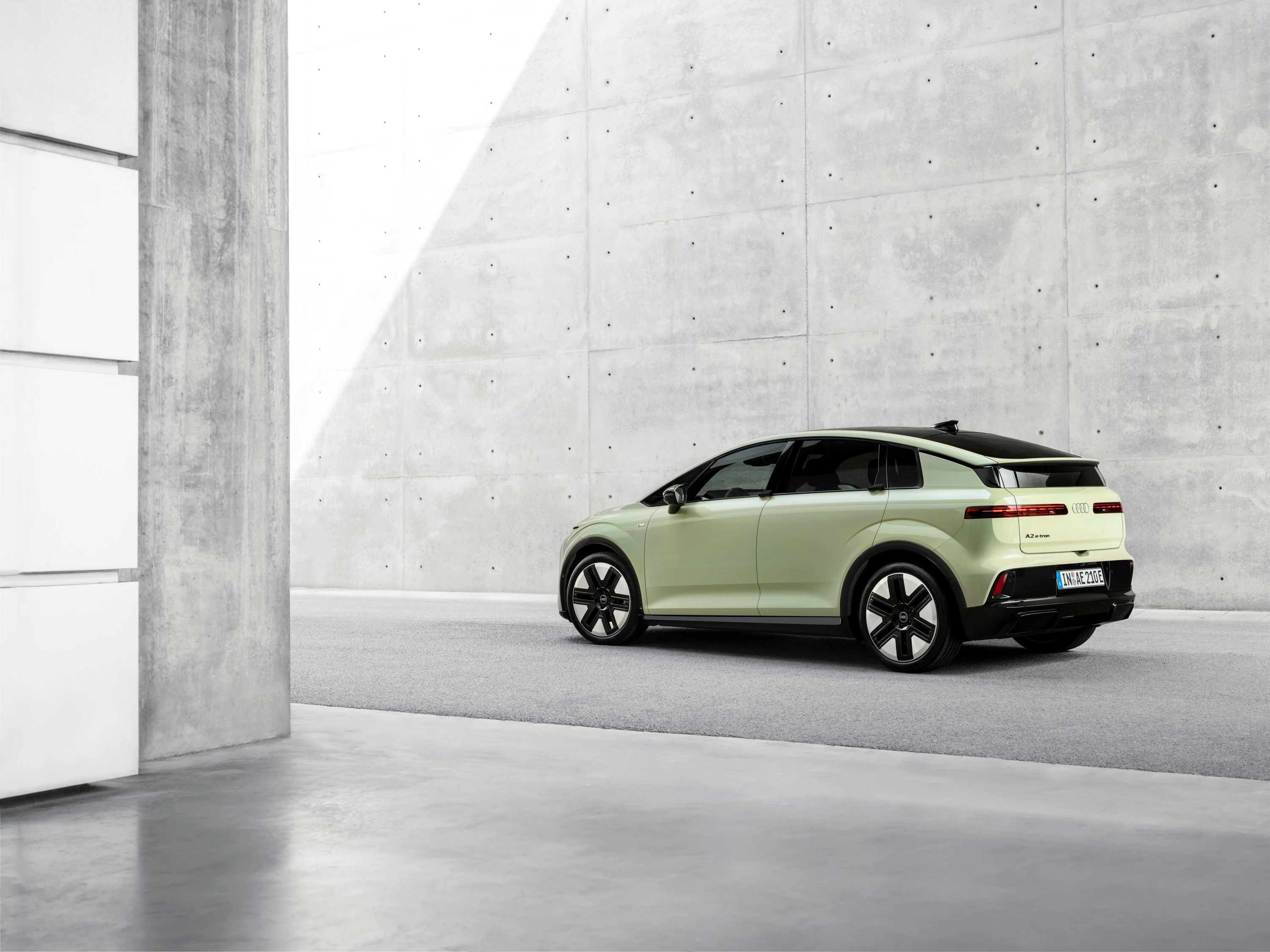
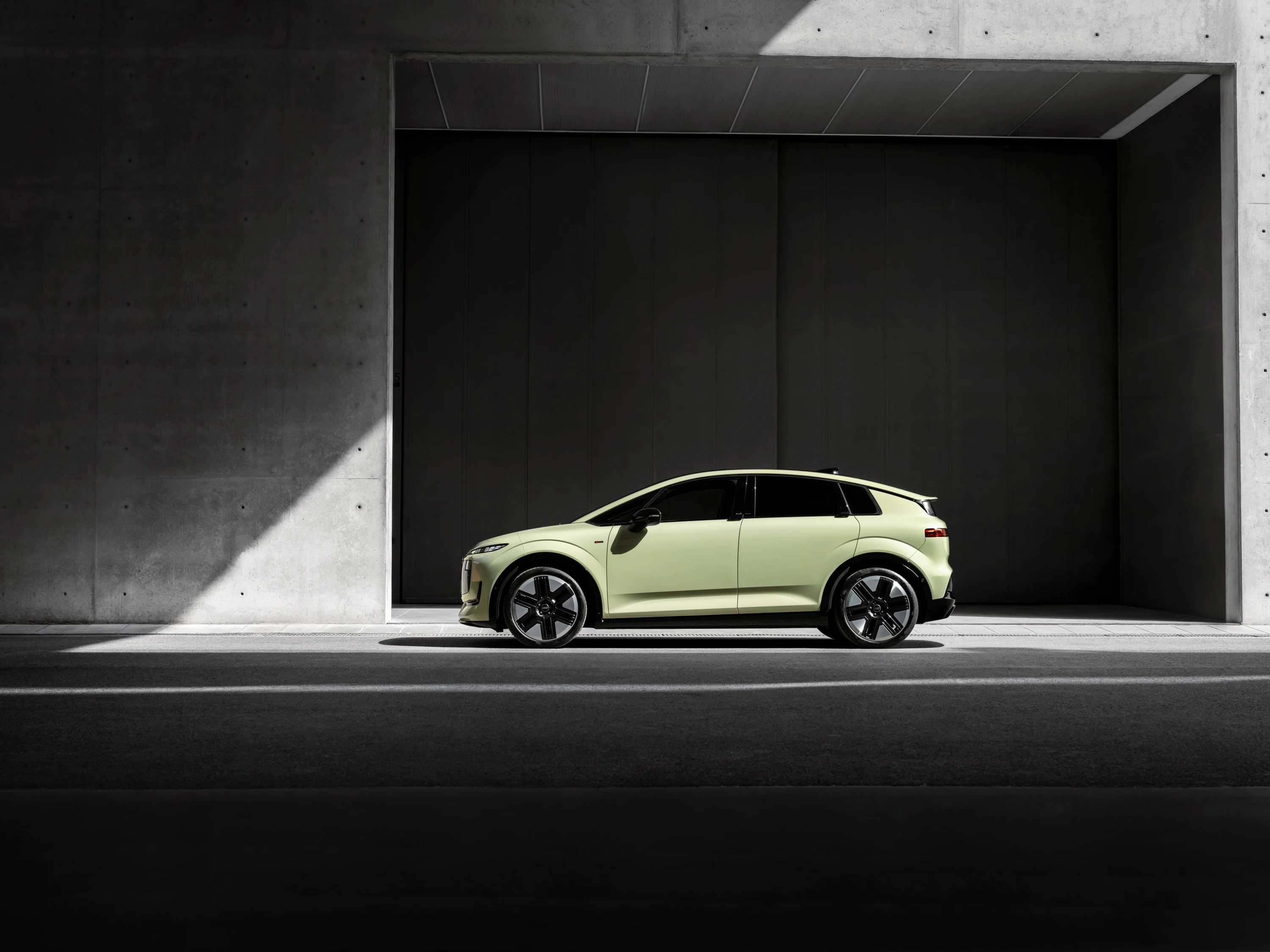
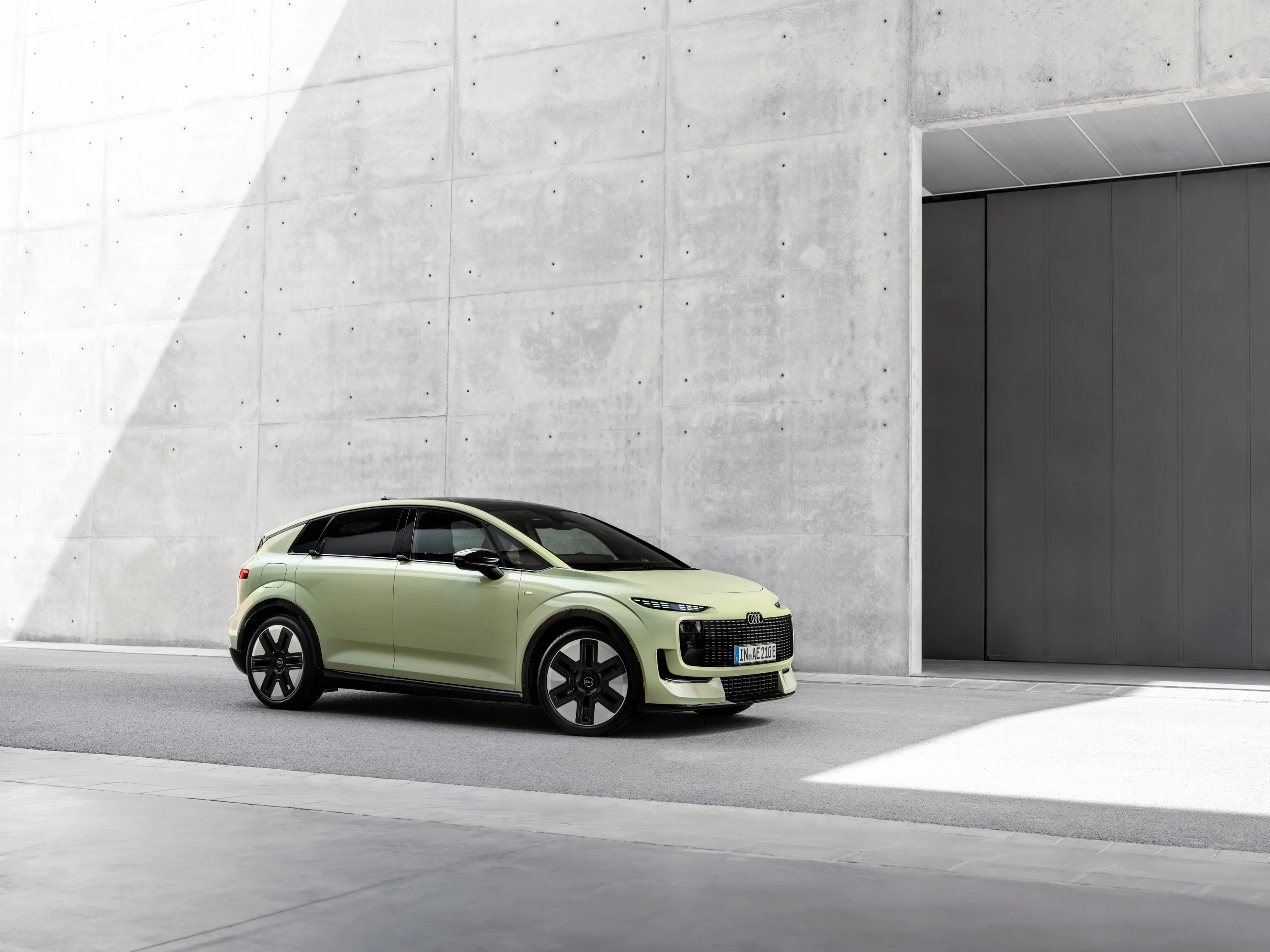
The exterior reinterprets the original A2’s monovolume silhouette at a noticeably larger scale: a rounded nose, a long flowing roof, short overhangs and a sharply cut tail with a split rear window. Almost every surface is aerodynamically motivated, from active cooling-air shutters and air curtains to gap reducers built into the wheel-arch trim, a largely enclosed underbody and flush electric door releases with haptic sensors.
Audi A2 e-tron
Two exterior lines are offered: a restrained base treatment and a sportier S line with distinctive bumpers and black design elements. Six paint colors are available at launch, including the new Horizon blue, Arrow gray and Pistachio green.
→ Full exterior details: colors, wheels, lighting and aerodynamics
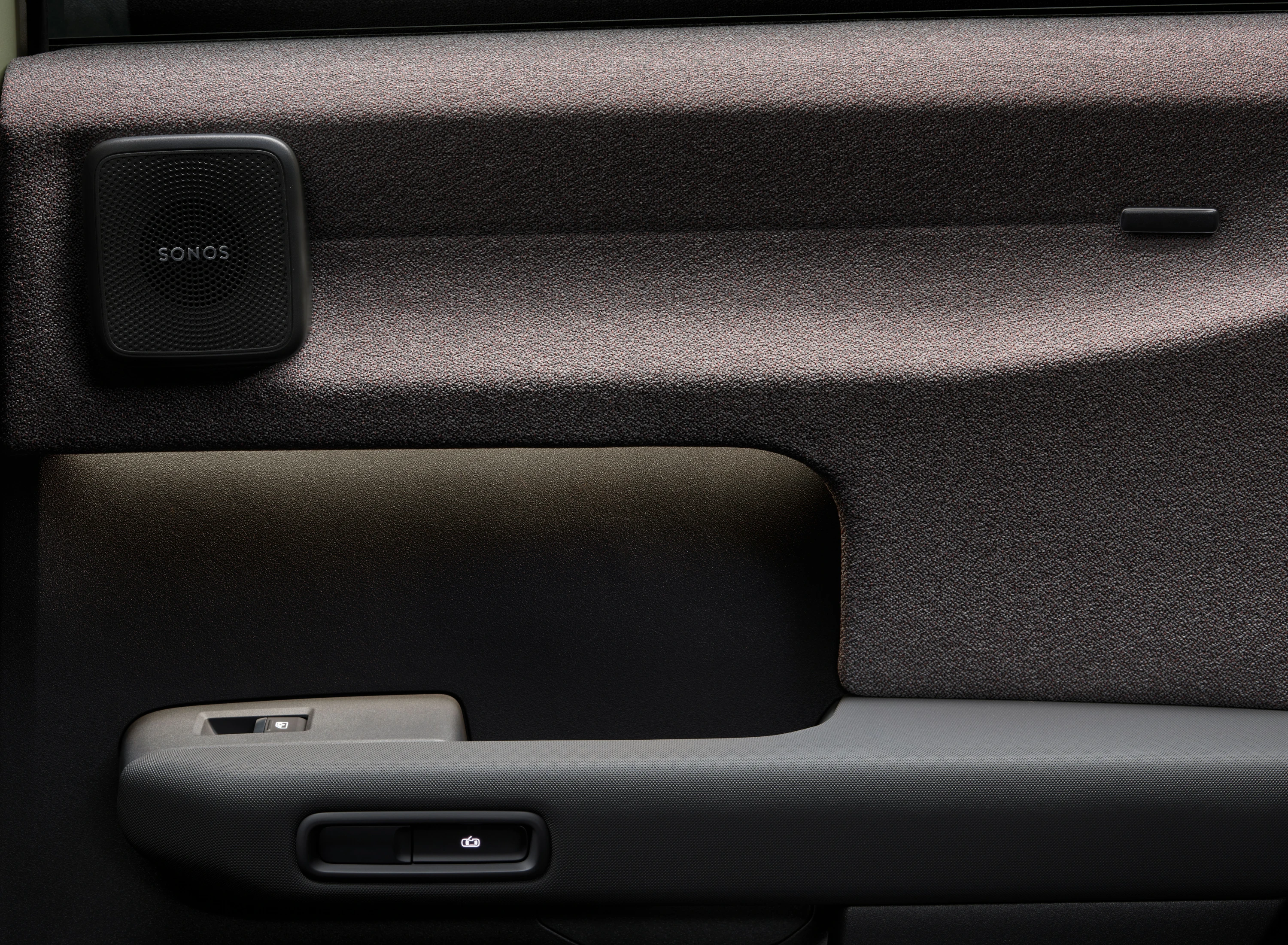
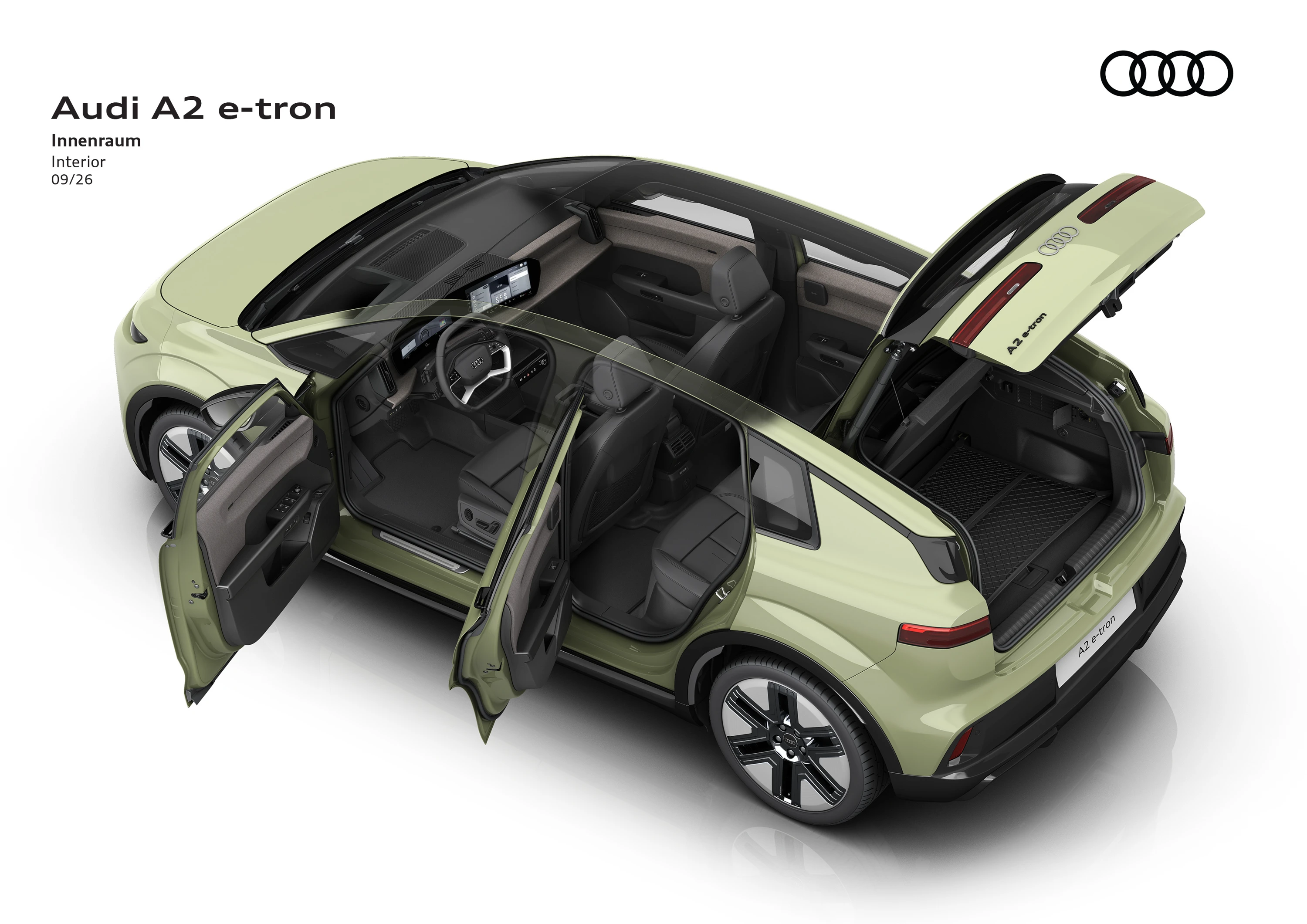
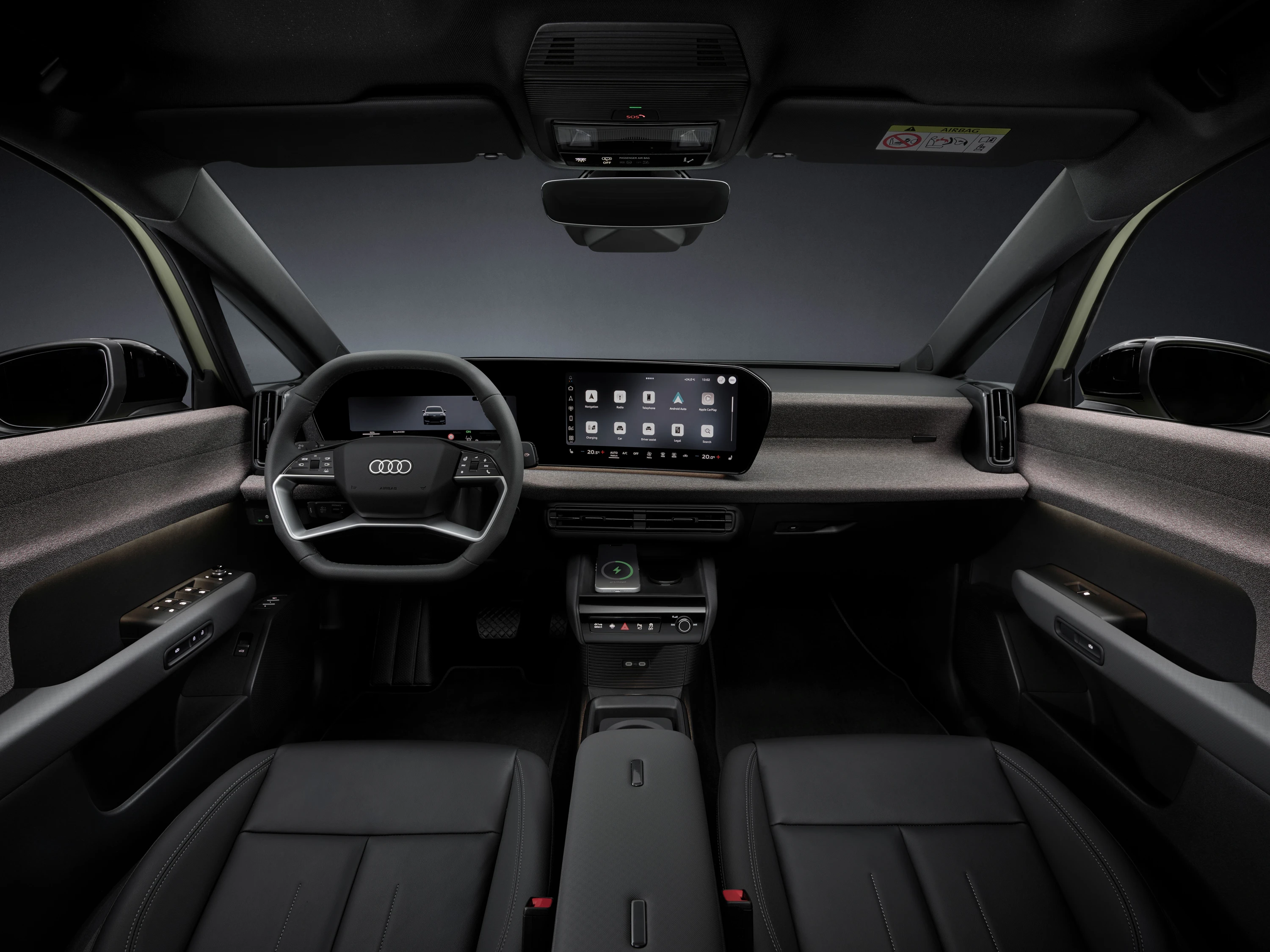
Inside, the defining element is Softwrap — a soft, fabric-covered surface that runs from the instrument panel across the doors and into the rear. The standard MMI panoramic display pairs an 11.9-inch Audi virtual cockpit plus with a 12.8-inch curved MMI touch display, and an augmented-reality head-up display is optional.
Audi A2 e-tron interior
Audi is the first premium manufacturer to fit the patented Fidlock magnetic fastening system as standard, with up to three adapter points on the center console and three more in the luggage compartment for cupholders, bags and charging-cable pouches. An optional panoramic glass roof adds 1.6 square meters of glazing with a UV-blocking coating.
→ Full interior details: seats, materials, storage and sound systems
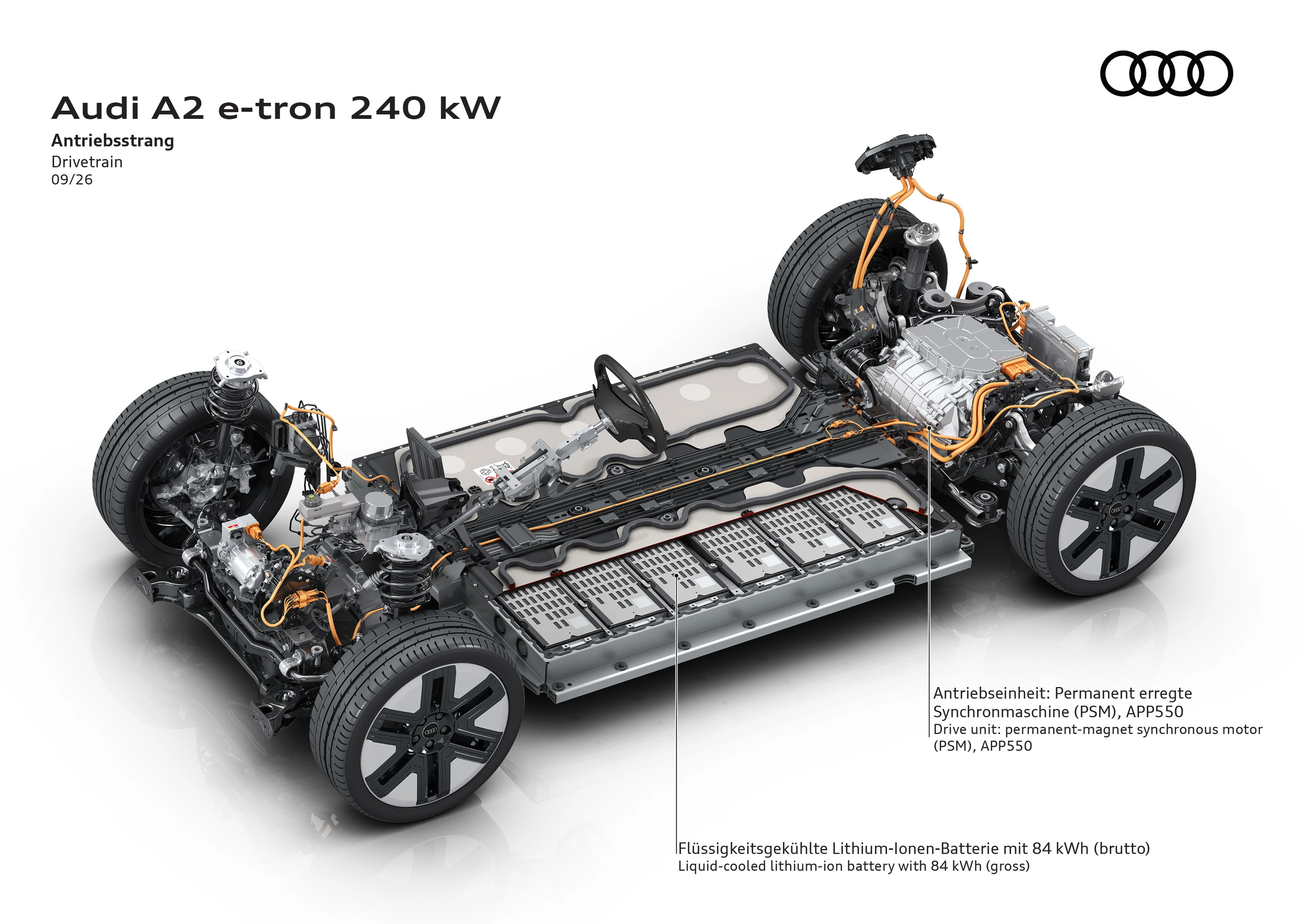
The A2 e-tron uses the MEB+ platform with a rear-mounted permanently excited synchronous motor. The APP350 serves the 125, 140 and 170 kW versions; the 240 kW flagship uses the more powerful APP550. Audi’s revised drive unit runs up to 10% more efficiently than the previous generation thanks to silicon-carbide power electronics, thinner 0.2 mm laminations, a delta-connected stator winding, low-friction transmission oil and a long 10.2:1 reduction ratio.
The two LFP packs use a cell-to-pack construction that bonds prismatic cells directly into the housing, and their chemistry tolerates daily charging to 100% without the limit usually recommended for nickel-based cells. The 84 kWh NMC pack is modular and charges at up to 183 kW. Bidirectional charging is supported through Vehicle-to-Load, and through Vehicle-to-Home in Germany, Austria and Switzerland.
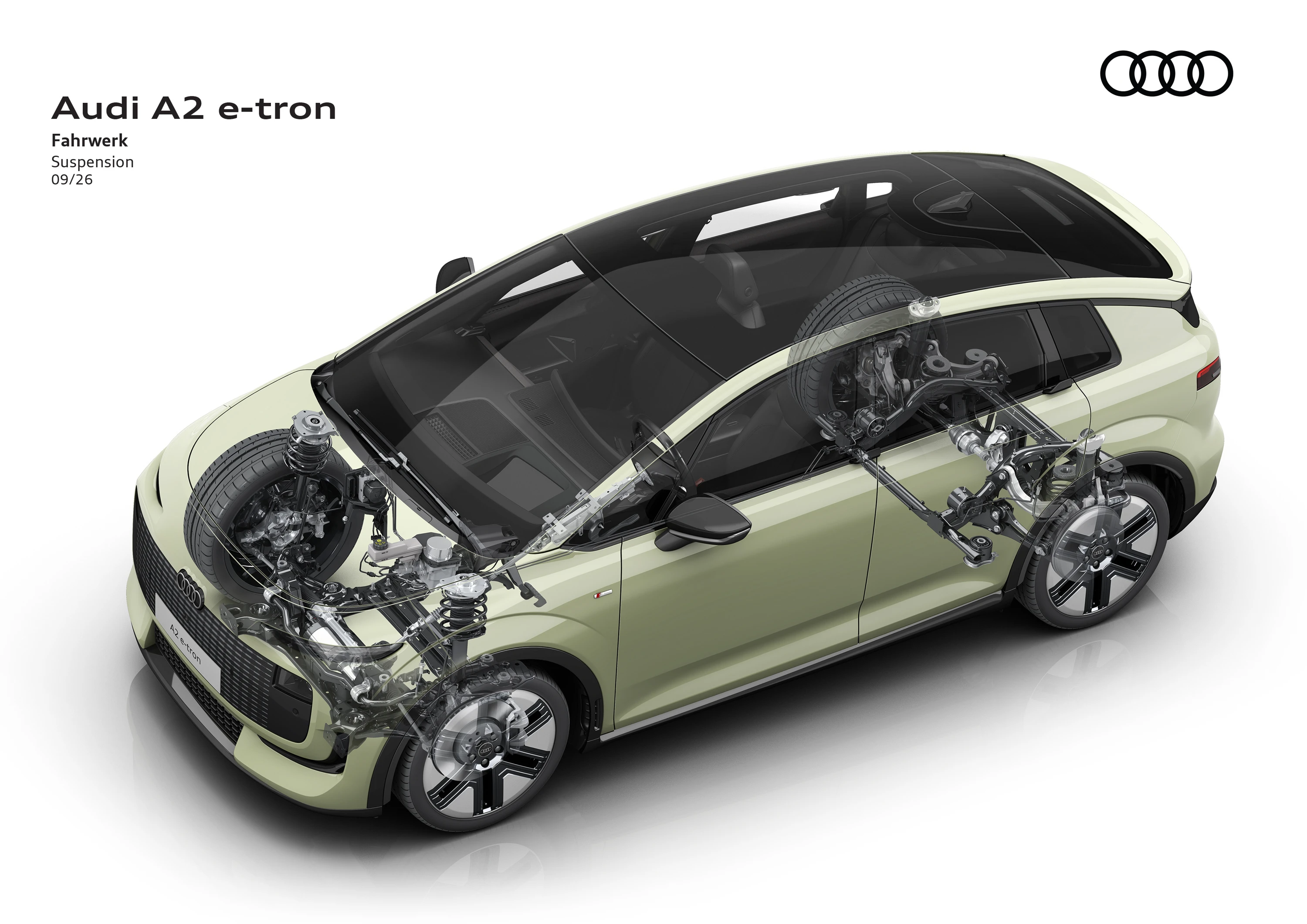
Audi A2 e-tron chassis and drivetrain
→ Full drivetrain details: motors, batteries, charging and suspension
Emergency brake assist, swerve assist, attention assist, adaptive cruise control, park assist plus and a reversing camera are standard on every A2 e-tron. Options extend to adaptive cruise assist plus with emergency assist, front cross-traffic assist, a 3D surround-view system, remote-controlled park assist plus, trained parking for up to five learned maneuvers, and reverse assist that retraces roughly 50 meters.
Infotainment runs Audi’s current software with an AI-backed Audi assistant, the e-tron route planner with predictive charge scheduling, and Audi connected work for Outlook and Teams.
→ Full technology details: assistance systems, sensors and connectivity
Continue to the complete guides for design, cabin, drivetrain, technology and equipment.
Four rear-wheel-drive versions of the Audi A2 e-tron with 125, 140, 170 and 240 kW, three battery sizes and German prices from €38,200.
Open guide →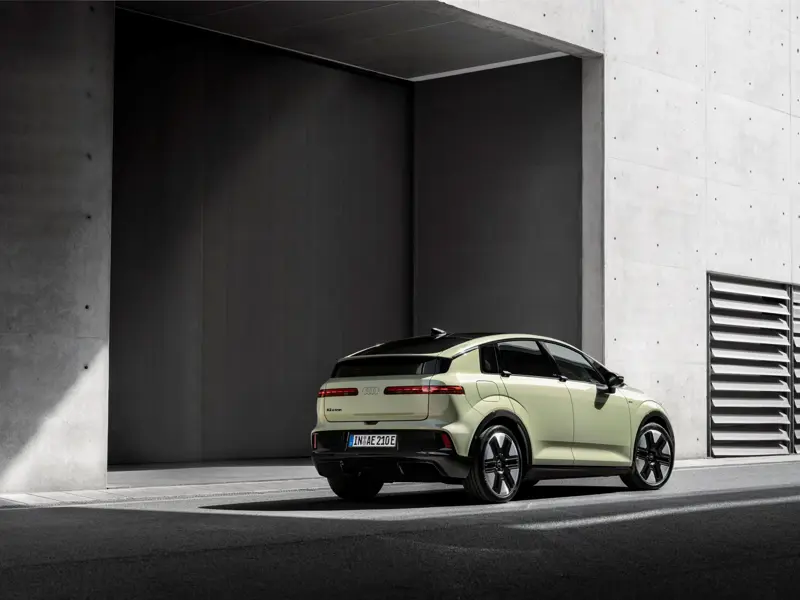
The Audi A2 e-tron exterior reinterprets the original A2 monovolume with a 0.24 drag coefficient, six paint colors, 18–20 inch wheels and flush electric door releases.
Open guide →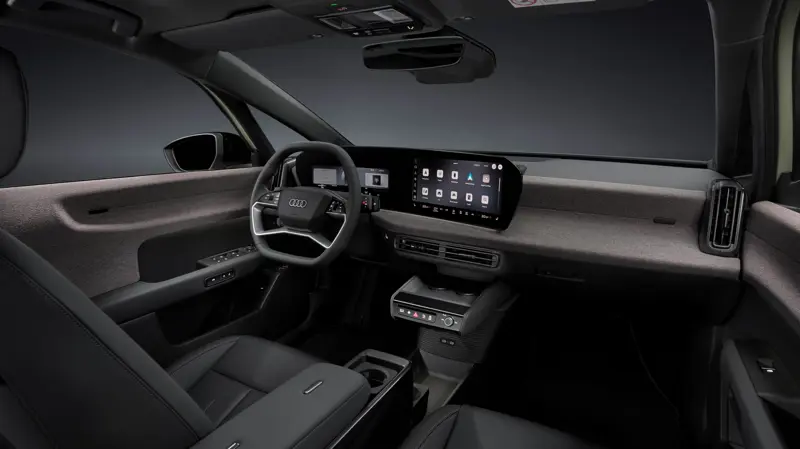
The Audi A2 e-tron interior features the fabric Softwrap surface, a Fidlock magnetic storage system as standard, 396–1,336 liters of luggage space and up to a 660 W Sonos system.
Open guide →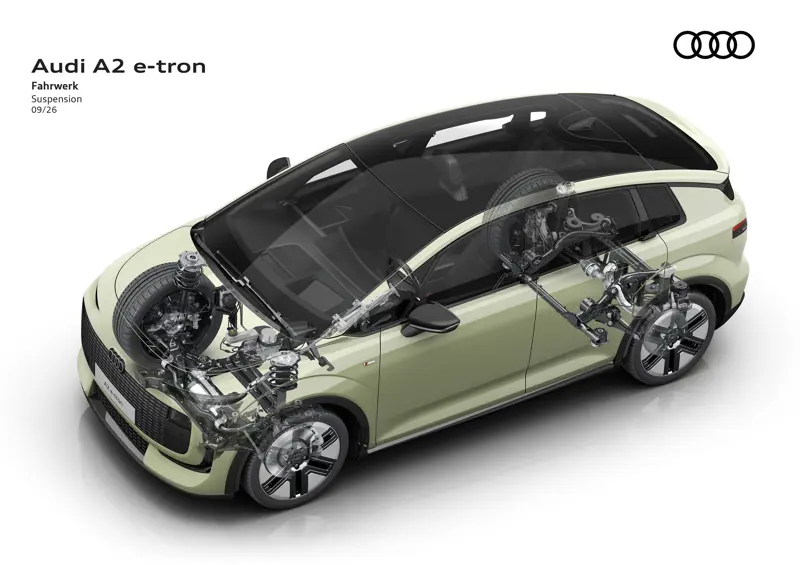
The Audi A2 e-tron uses the MEB+ platform with rear-mounted APP350 and APP550 motors, LFP and NMC batteries, up to 183 kW DC charging and bidirectional V2L and V2H.
Open guide →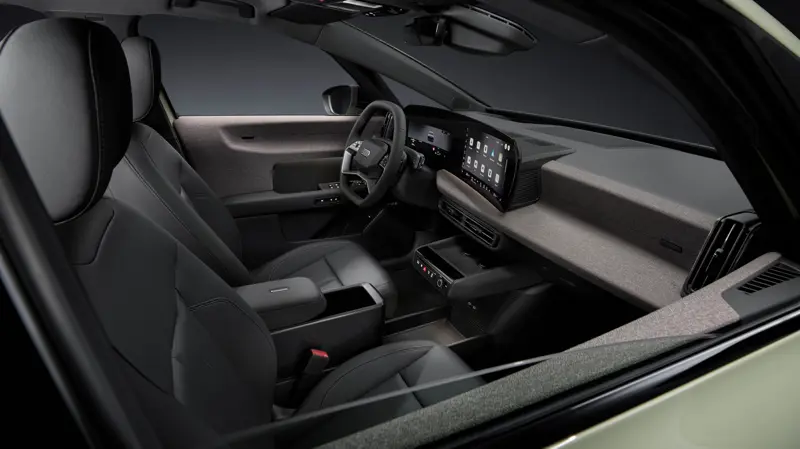
Driver assistance, sensors, infotainment and connectivity in the Audi A2 e-tron, including trained parking, reverse assist and the AI-backed Audi assistant.
Open guide →Adjust speed, temperature, road conditions and vehicle setup. EVKX calculates the result using data for this model.
Calculating for Audi A2 e-tron
Calculating…
The calculator could not retrieve a result. Open the calculator on EVKX.net.
Vehicle data and calculation engine provided by EVKX.net.